Difficult access moves in Highbury estates and what movers do
Moving home is stressful enough without discovering, at the front gate, that your new place is on the third floor, the lift is out of order, and the loading bay is blocked by a delivery van. That is the reality behind many difficult access moves in Highbury estates and what movers do: they are not just about lifting boxes, but about planning a safe, efficient route through narrow entrances, tight stairwells, awkward parking, and estate rules that can change everything on the day.
If you are moving into or out of a Highbury estate, this guide will walk you through what makes access tricky, how movers handle it, what good preparation looks like, and where problems usually start. It is written for real life, not perfection. Because, let's face it, moving day rarely feels tidy.
Table of Contents
- Why difficult access moves in Highbury estates matter
- How movers handle difficult access in practice
- Key benefits and practical advantages
- Who this is for and when it makes sense
- Step-by-step guidance
- Expert tips for better results
- Common mistakes to avoid
- Tools, resources and recommendations
- Law, compliance and best practice
- Options, methods, and comparison table
- Case study or real-world example
- Practical checklist
- Conclusion
- Frequently asked questions
Why difficult access moves in Highbury estates and what movers do Matters
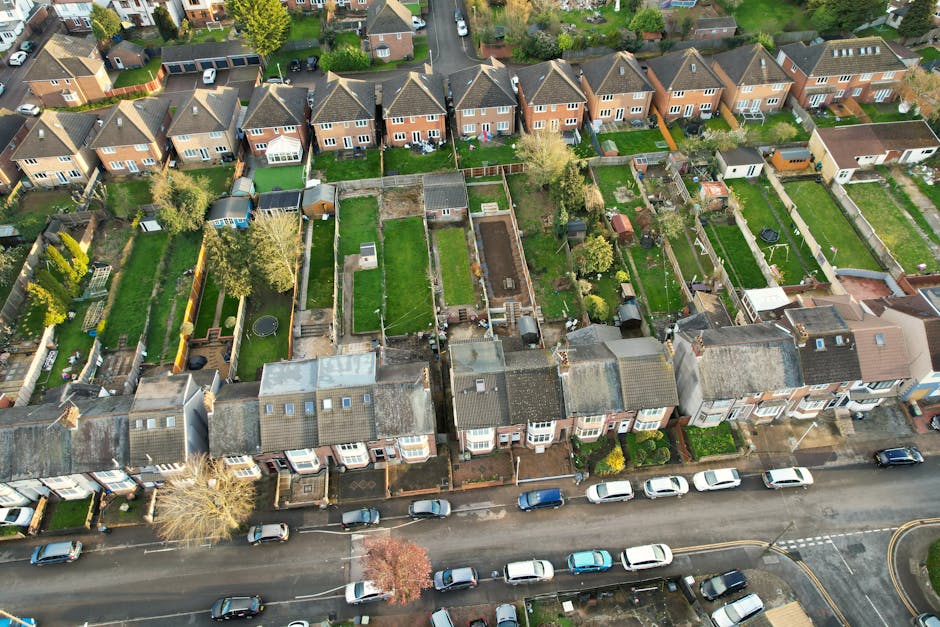
Highbury has a lot going for it: handsome period blocks, estate flats, converted buildings, and a proper London feel without the chaos of central zones. But those same features can make a move harder than it first appears. Estate layouts often include tight stairwells, shared entrances, split-level landings, low railings, limited parking, and long walking distances from vehicle to front door.
When access is awkward, the move becomes a logistical problem as much as a physical one. The risks go up too. Furniture can be scraped, walls can be marked, items can be dropped, and moving time can creep up fast. A sofa that looks perfectly manageable in a house may become a different story on a narrow stairwell with a turn halfway up.
This is why experienced movers do far more than carry boxes. They assess entry points, measure large items, choose the right vehicle size, plan parking, and decide which pieces need special handling. In some cases, they also split loads across multiple trips or use additional porters to keep things safe and moving. That is the difference between a stressful day and one that feels controlled enough to breathe through.
If you are still deciding what kind of move you need, it can help to look at a wider services overview first, especially if your property has stairs, shared entrances, or limited loading space.
How Difficult access moves in Highbury estates and what movers do Works
Good moving teams do not wait until they are standing outside the block to find out there is a problem. They build the access plan before the first box is lifted. That usually starts with a quick assessment: what kind of property is it, how many flights of stairs are involved, is there a lift, where can the van stop, and how far is the carry from vehicle to door?
From there, movers decide how to sequence the job. Heavy items usually go first if they block access. Fragile items are packed and labelled so they can be handled separately. In tighter buildings, movers often use protective covers, sliders, trolleys, ramps, shoulder straps, and extra blankets to keep furniture stable and walls safe. None of that is glamorous. It is just the stuff that makes the day work.
For estate moves, timing matters as much as technique. Some blocks have windows for lift access, parking restrictions, concierge rules, or peak times when residents are coming and going. A late start can quickly turn into a long wait. Experienced crews tend to arrive with a plan for the order of operations, the gear they need, and a fallback if something small goes wrong. Which, to be fair, something usually does.
On the packing side, the aim is to reduce friction. A well-packed box is easier to carry, easier to stack, and less likely to burst at the worst moment. If you want to see how movers think about preparation, the guides on packing and boxes in Highbury and furniture removals in Highbury are useful companions to this topic.
What movers normally assess first
- Stair count, width, and turns
- Lift size, reliability, and booking rules
- Distance from parking to property entrance
- Whether access is shared with neighbours or service areas
- Any items that are unusually bulky, delicate, or heavy
- Weather, roadworks, and local parking restrictions
Key Benefits and Practical Advantages
The biggest benefit of using experienced movers for difficult access jobs is simple: they reduce avoidable damage and delay. But there are a few other advantages worth spelling out.
First, they save time. A crew that knows how to manage narrow access will not waste half the morning trying to figure out the best route for each item. That kind of planning can shave a surprising amount off the day.
Second, they protect your belongings. Narrow halls and steep stairs are hard on furniture. So are sudden turns, low ceilings, and poorly lit landings. Movers who bring the right kit can keep items steadier and reduce the chance of knocks, chips, or crushed corners.
Third, they protect the building. Estate properties often have shared surfaces, which means any damage can become awkward very quickly. Protective wraps, door covers, and careful carrying are not overkill; they are part of working respectfully in a communal environment.
Fourth, they make coordination easier. If you are managing children, work calls, cleaners, key handovers, or a chain move, the last thing you need is a crew improvising on the pavement. A planned move feels calmer. Not easy, necessarily. Calmer.
For people trying to compare options, it is often worth looking at the difference between man and van Highbury options and fuller removal services. The right choice depends on the size of the property, the access conditions, and how much lifting help you actually need.
| Move type | Best for | What movers do | Main limitation |
|---|---|---|---|
| Man and van | Smaller loads, flexible moves, short-distance jobs | Load, transport, and unload with light-to-moderate support | Less suited to heavy, complex, or high-volume moves |
| Full removals team | Larger homes, estate flats, awkward access, bulky furniture | Detailed planning, lifting, protection, and coordinated carrying | Usually costs more, but offers more support |
| Specialist item service | Pianos, large wardrobes, fragile or high-value pieces | Uses tailored handling, extra protection, and experienced lifting methods | May require advance notice and specific preparation |
Who This Is For and When It Makes Sense
This kind of move is for anyone dealing with a property where easy access is not guaranteed. That includes top-floor flats, maisonettes, converted blocks, older estate buildings, and homes where the vehicle cannot park directly outside the entrance.
It also applies to people who might not think of themselves as having a "difficult" move, but do have one or two awkward details. Maybe the lift is too small for your wardrobe. Maybe the stairwell has an ugly little bend in it that catches everything. Maybe your road is narrow and busy by 8:30 a.m. That counts too.
Students often need this help when moving into compact flats with narrow halls. Families may need it for school-run timing and larger furniture. Office teams need it when equipment has to be moved through shared entrances without disrupting residents. And if you are moving something special, like a piano, that is a different level again. The page on piano removals in Highbury is worth a look if that is your situation.
You may also want specialist support if you are moving on a tight timeline. In those cases, a service such as same-day removals in Highbury can sometimes help, though it still depends on access and load size.
Step-by-Step Guidance
- Check the access honestly. Walk the route from road to front door. Count steps. Look at corners. Measure the widest item if you have not done so already. The key is honesty, not optimism.
- Tell the movers what they need to know. Mention lifts, parking limits, locked gates, keypad entries, shared courtyards, and anything that makes carrying slower. A five-minute conversation can save an hour later.
- Identify bulky or awkward items. Wardrobes, sofas, beds, mirrors, desks, and white goods should be flagged early. If something has to be dismantled, say so before moving day.
- Pack for carrying, not just for storage. Heavy items should be spread evenly across smaller boxes. Loose lids, overfilled bags, and badly taped boxes are bad news on stairs.
- Reserve parking or confirm stopping space. If the van cannot get close enough, the job becomes slower and more physically demanding. Sometimes that is fine; sometimes it changes the plan entirely.
- Protect the building and your items. Good movers use covers, wraps, and careful positioning. If the block has communal areas, this matters even more.
- Keep one person available for coordination. Someone needs to answer questions, confirm what goes first, and check keys. A move goes smoother when there is one clear point of contact.
- Leave a little buffer in the schedule. Tight access rarely runs to the minute. A small time buffer makes the day feel human again.
If you are moving from a flat and want a more property-specific read, the article on flat removals in Highbury is a useful next step, and so is the local guide to narrow access homes near Highbury Fields.
Expert Tips for Better Results
There are a few small things that make a big difference on difficult access jobs.
Choose the right size vehicle. Bigger is not always better. A van that is too large may not be able to park near the block, which means longer carries and more effort. Sometimes a smaller van with better access beats a bigger one every time.
Disassemble smartly. Flat-pack furniture is not always the easiest on the day, but removing legs, shelves, and loose parts can turn an awkward object into something safe to move. One less wobble in the stairwell, and everyone is happier.
Label by room and priority. Movers working in tight spaces need to know what is fragile, what is urgent, and what can wait. Clear labels help them decide what to bring up first and what to leave for later.
Prepare residents and neighbours where needed. In estates, a polite warning can save hassle. If a corridor will be busy or the lift will be in use, give people notice if possible. It feels old-fashioned, but it works.
Use a service level that fits the job. There is no prize for under-booking. If you know the property is awkward, do not pick the lightest option just because it looks cheaper on paper. A well-matched service is usually cheaper in the long run than fixing avoidable problems.
For more on choosing the right kind of help, the pages on man with van Highbury and house removals Highbury can help you think through scale and support.
Expert summary: the best difficult-access move is rarely the one with the fastest start; it is the one with the clearest plan. Measure, declare the awkward bits, choose a vehicle that can actually get close, and keep the moving route as simple as possible.
Common Mistakes to Avoid
Most moving problems in Highbury estates are not dramatic disasters. They are usually small oversights that stack up. A missed parking detail here, an undermeasured wardrobe there, and suddenly the day is running 40 minutes behind.
- Underestimating stair width. A couch that looks fine in the hallway may be impossible to turn on the landing.
- Not checking lift dimensions. Lifts can be smaller than expected, and not every item will fit upright.
- Forgetting about shared access rules. Some blocks have quiet hours, booking systems, or key procedures that matter a lot on the day.
- Packing boxes too heavy. Heavy boxes are hard enough in a house. On stairs, they become much harder.
- Leaving everything until the last minute. That is the classic one. The universal move-day mistake, almost.
- Choosing a van on price alone. Cheap is not always cheap once delays, extra carrying, or damage are involved.
If you want to avoid one of the most common frustrations people face, it is worth reading about avoiding hidden fees in Highbury removals. Access issues and unexpected extras often show up in the same conversation.
Tools, Resources and Recommendations
You do not need specialist equipment in your own home, but it helps to understand what professionals bring to a difficult access move.
- Furniture blankets and wraps to protect corners, edges, and finishes
- Hand trolleys and sack trucks for easier transport over short, flat sections
- Shoulder straps and lifting aids for heavier items and awkward stairs
- Door and bannister protection to reduce scuffs in communal areas
- Ratchet straps and load guards for stability in the van
- Tools for dismantling furniture when beds, tables, or wardrobes need to come apart
From a service perspective, a few related pages may also help you plan the wider move: removals Highbury, removal van Highbury, and storage in Highbury if you need to stage items before or after moving day.
For renters, students, and people moving smaller loads into compact estates, student removals Highbury and man and a van Highbury can be more suitable than a larger team, provided the access is not too awkward. If the move is more complex, a fuller service may be the safer bet.
Law, Compliance, Standards, or Best Practice
For difficult access moves, compliance is less about one dramatic rule and more about doing ordinary things properly. In the UK, movers are expected to work safely, protect customers' property, and handle load-carrying in a way that reduces risk to people and buildings. That means sensible lifting, proper equipment, and clear communication before and during the job.
Estate moves can also bring practical building rules into play. These might involve lift bookings, access windows, parking restrictions, or shared-area protection. The details vary from one block to another, so it is best to confirm them early rather than assume the porter or concierge will sort everything out on the day.
Good movers should also be clear about insurance, payment terms, complaints handling, and what is included in the quote. Those are not just admin details. They are part of trust. If you want to understand those basics more fully, the pages on insurance and safety, payment and security, and terms and conditions are useful references.
Where sustainability matters, sensible re-use, responsible disposal, and fewer wasted journeys all help. If that is important to you, you may also want to look at recycling and sustainability. Small detail, but it matters more than people think.
Options, Methods, or Comparison Table
There is no single best way to handle a difficult access move. The right method depends on the building, the furniture, and how much support you need.
| Approach | Best when | Strengths | Trade-offs |
|---|---|---|---|
| Careful self-move with a van | You have very little furniture and simple access | Low cost and flexible timing | High physical effort, more risk on stairs, and limited backup |
| Man and van support | You need help with loading, driving, and moderate lifting | Practical, fast for smaller jobs, and often economical | Less suitable for larger homes or very awkward staircases |
| Full removals team | The property has narrow access, heavy furniture, or multiple floors | More hands, more equipment, better coordination | Usually costs more, but can save trouble and damage |
One local point worth mentioning: if you are moving in or around Highbury and want to understand the neighbourhood context a bit better, the articles on Highbury living from locals and why Highbury feels like a quieter retreat are surprisingly helpful. The area has its own rhythm, and that affects moving day more than people expect.
Case Study or Real-World Example
Here is a realistic example. A couple moves out of a second-floor estate flat in Highbury. The stairwell has one tight turn, the lift is too small for the mattress and wardrobe, and the van cannot stop directly outside because a service vehicle is already in the bay. Nothing unusual, really, but enough to make the move awkward.
What the movers do is fairly methodical. First, they check the route and confirm which pieces must be dismantled. They protect door frames and bannisters, then move smaller boxed items first to clear the path. The bed frame comes apart on site, the wardrobe doors are removed, and the mattress is wrapped before carrying. Because the van is parked a short distance away, they use trolleys for the flat stretch and two-person carries on the stairs.
The job still takes longer than a house with easy driveway access. That part is normal. But there is no panic, no scrambling, and no guessing. The day feels organised. The couple can get on with key handover and cleaning rather than standing in a corridor wondering if the sofa will ever make the turn.
If the move had involved a few days between properties, they might also have used storage in Highbury to stage items safely. That can be a very practical solution when access and timing do not quite line up.
Practical Checklist
Use this before moving day. It is simple, but it catches most of the headaches.
- Measure the largest furniture pieces
- Check stair width, corners, and lift size
- Confirm parking or stopping arrangements
- Tell movers about gates, codes, and concierge rules
- Label fragile, heavy, and priority boxes clearly
- Disassemble bulky furniture where possible
- Protect floors and shared corridors if needed
- Keep keys, documents, and essentials in one bag
- Allow extra time for access delays
- Choose a service level that matches the actual access conditions
One small tip: keep a bottle of water, snacks, and phone charger handy. It sounds minor, but on a long, stair-heavy moving day, it makes a bigger difference than you would think.
Conclusion
Difficult access moves in Highbury estates are not impossible, and they do not have to turn into a nightmare. They just need the right mix of planning, the right equipment, and movers who understand that a building's layout matters as much as the items being moved. The best crews think ahead, adapt quickly, and keep the route safe for both your belongings and the property itself.
If you are planning a move in an estate, especially one with stairs, narrow corridors, or awkward parking, treat the access details as central rather than secondary. That one decision will shape almost everything else. And once those details are handled properly, the whole day usually feels more manageable than expected. Not easy, maybe. But manageable, which is a lot better.
Get a free quote today and see how much you can save.
Frequently Asked Questions
What counts as a difficult access move in Highbury estates?
Usually it means any move where the van cannot park close to the entrance, where stairs are steep or narrow, where a lift is small or unreliable, or where there are shared estate rules that slow the job down. Sometimes it is a mix of all four. Estate moves can be deceptively tricky.
How do movers check whether my furniture will fit?
They normally compare the dimensions of your largest items with the stairwell, lift, doorway, and landing space. If needed, they may ask for photos or ask you to measure key points. A quick visual check can save a lot of guesswork.
Do movers dismantle furniture for difficult access jobs?
Yes, often they do, especially for wardrobes, beds, tables, and other bulky pieces. Dismantling can make awkward items safer to carry and easier to turn on stairs. It is one of those dull-but-useful parts of the job.
Is a man and van service enough for an estate flat move?
Sometimes, but not always. If the move is small and the access is only mildly awkward, it may be fine. If you have lots of furniture, multiple flights of stairs, or tight turns, a fuller removals service is usually the safer choice.
What should I tell movers before moving day?
Tell them about stairs, lift size, parking restrictions, estate entry codes, long walking distances, and any particularly heavy or fragile items. The more accurate the information, the better the plan. It really is that simple.
How do movers protect shared areas in estate buildings?
They may use blankets, covers, floor protection, and careful carrying techniques to reduce scuffs and impact. In some buildings, they also coordinate closely around lift use and corridor traffic to keep disruption low.
Can movers handle a piano in a Highbury estate?
Yes, but that usually needs specialist handling. Pianos are heavy, awkward, and sensitive to damage, so they should be moved by people who are used to that kind of job. The handling is different from ordinary furniture, no question.
Does difficult access mean the move will take much longer?
Usually, yes. Narrow staircases, lift waits, and longer carrying distances all add time. That does not automatically mean the move will be problematic, but it does mean the schedule should be realistic rather than optimistic.
Should I book storage if my estate move is complicated?
Storage can help if your completion date, access window, or property handover does not line up neatly. It is especially useful if you need to split the move into stages or if some items cannot go into the new property straight away.
How can I avoid damage on stairs and landings?
Use proper packing, avoid overloaded boxes, dismantle large furniture where possible, and hire movers who bring protective kit. The main risk usually comes from rushing, not from the stairs themselves. Slow and steady wins here.
Are there special rules for moving in Highbury estates?
The exact rules vary by building, but common issues include lift bookings, restricted parking, and time limits for noisy work or access. Check with the estate or managing agent early, because these details can affect the whole move.
What is the best way to get a realistic quote?
Give an honest description of the property, including stairs, parking, lift access, and the number of large items. Photos help too. A realistic quote is usually the one based on clear information rather than best-case assumptions.
If you are still comparing your options, you may also want to explore removal companies in Highbury and the broader removal services available for more complex jobs. Sometimes a little extra support is the difference between a rough day and a smooth one.