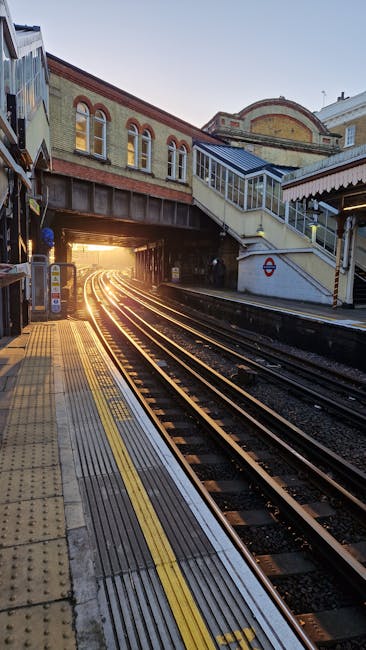
Same day movers at Highbury and Islington station avoiding delays
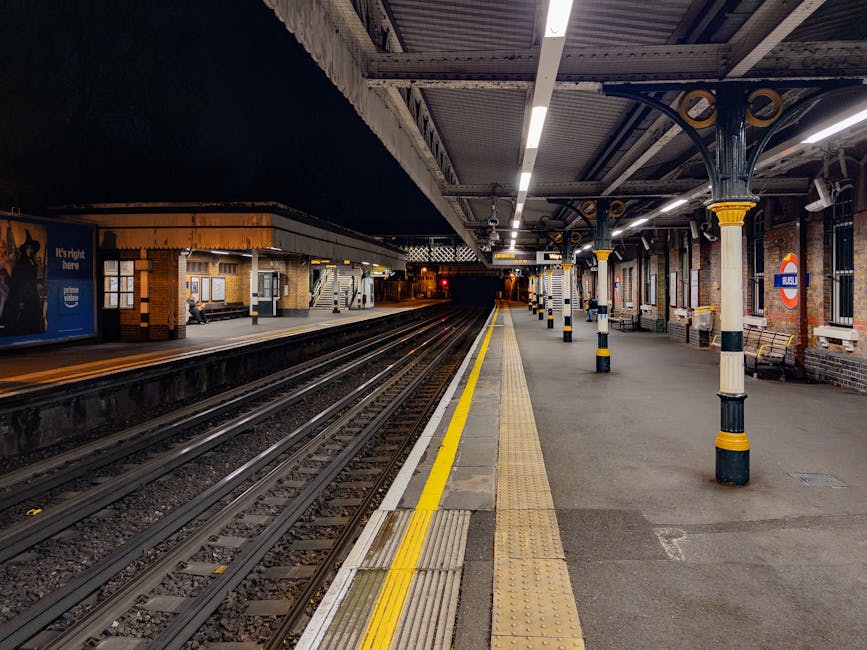
Trying to move on the same day near Highbury and Islington station can feel a bit like trying to carry a wardrobe through a crowd at rush hour: doable, but only if the timing, route and packing are sorted properly. If you are looking for same day movers at Highbury and Islington station avoiding delays, the real challenge is not just lifting boxes. It is managing local traffic, station-side footfall, narrow streets, awkward parking, and the domino effect that one small delay can cause.
This guide breaks the process down in plain English. You will learn how same-day moving works in this part of North London, what causes hold-ups, how to reduce them, and when a specialist crew is the smart call. We will also cover practical steps, common mistakes, and a realistic checklist you can use before moving day. Truth be told, a smooth same-day move is rarely about luck. It is mostly about preparation.
Why Same day movers at Highbury and Islington station avoiding delays Matters
Highbury and Islington is one of those London spots where everything seems to happen at once. Commuters, buses, delivery vehicles, cyclists, pedestrians, and residents all share the same tight space. If your move starts late, even by 20 minutes, the ripple effect can be frustrating: parking window lost, lift access delayed, traffic building up, and your unloading slot at the other end slipping away.
For same-day removals, delays are not just annoying. They can create real cost and stress. A van idling while somebody hunts for keys or re-packs a cupboard is time you are paying for. And if you are moving a flat, a student room, or a small office, the day can unravel quickly if the crew is waiting around instead of loading. Nobody wants to spend a whole afternoon watching the clock and muttering at the street outside. Been there, done that.
What makes this location especially sensitive is the mix of transport pressure and residential density. Roads near a station often have short-term parking limits, busier kerb space, and more people moving in and out throughout the day. That means good planning is not optional. It is the difference between a tidy handover and a long, stressful scramble.
Practical takeaway: the best same-day moves near Highbury and Islington are not the fastest on paper; they are the most tightly organised from the first box to the last drop-off.
How Same day movers at Highbury and Islington station avoiding delays Works
Same-day moving is usually a condensed version of a standard removal service. The crew arrives, loads efficiently, travels to the destination, unloads, and often helps place furniture in the correct rooms. The key difference is pace. There is much less margin for error, so planning becomes part of the service, not an afterthought.
In a station-adjacent area like Highbury and Islington, a good mover will usually think about four things before the first item leaves the property:
- Access: stairs, lifts, narrow hallways, front door width, loading point, and walk distance from van to entrance.
- Timing: rush-hour pinch points, school-run traffic, and the best slot for loading or unloading.
- Parking: whether the van can stop legally and close enough to avoid long carrying distances.
- Property readiness: whether the home is packed, labelled, and ready to go without last-minute sorting.
That last part matters more than people expect. If a room still has loose items everywhere, the move slows down immediately. The team has to decide what goes in which box, what is fragile, and what needs extra wrapping. Small delays add up. That is usually where a "same-day" move starts feeling less same-day.
For a proper same-day service, communication should be clear from the start. The mover should know the collection address, destination, access issues, item list, and any time restrictions. In our experience, the best runs are the ones where nobody is guessing on the day. Sounds obvious, but it saves a lot of grief.
If you are comparing service types, the same-day option sits somewhere between speed and control. It is faster than a multi-day staged move, but it requires more readiness from the customer. If you still need packing support, a service like packing and unpacking services can make the difference between a smooth departure and a rushed morning with half-open boxes everywhere.
Key Benefits and Practical Advantages
When a same-day move is planned well, the benefits are genuinely useful, not just convenient. You get momentum. You make one clean transition rather than stretching the disruption over several days. That can be especially helpful if you are moving between rentals, handling a lease handover, or trying to get into a property before work the next day.
Here are the main advantages people usually care about:
- Less disruption: one focused moving day instead of a drawn-out process.
- Lower stress: fewer handoff points and fewer chances for things to be misplaced.
- Better coordination: you can line up keys, access, and unloading more precisely.
- Faster settling in: you can get the essentials into the new place the same day.
- Stronger control: the whole move is easier to oversee when it happens in one block.
There is also a practical money angle. Delays can mean extra labour, more van time, or the need for a second trip. Avoiding those issues is often cheaper than trying to fix them later. Let's face it, nobody budgets for a moving-day detour through unnecessary stress.
Same-day moving also works well when furniture and access are straightforward. If you are relocating from a one-bed flat, student accommodation, or a compact office, the right setup can turn a tight day into a very manageable one. If the load is bigger or awkward, though, a larger crew or a specialist vehicle may be safer. For bigger domestic jobs, home moves and flat removals are often better starting points than trying to improvise on the spot.
Who This Is For and When It Makes Sense
Not every move needs to happen same day. But for certain situations, it makes complete sense. If you are under a deadline, dealing with limited access, or trying to fit around work and transport, this type of service can be a real lifesaver.
It is often a good fit for:
- tenants with a fixed handover time and limited overlap between properties
- students moving out of accommodation quickly
- small office teams relocating equipment in one go
- people who only have a modest volume of furniture and boxes
- anyone who has been let down by previous moving arrangements and needs a quick recovery plan
It also suits people who are already packed and simply need transport, loading support, and a good route plan. If you still need a little help loading larger items or you are moving a few key pieces without a full van-load, man and van or man with van options may be a practical middle ground. For larger or more structured jobs, a more complete removal service is usually safer.
Same-day moving is less suitable when there are many fragile items, lots of dismantling, or a complicated chain of access issues. You can still do it, but the margin for error shrinks fast. If you are staring at six flat-pack wardrobes and a piano, maybe take a breath.
Step-by-Step Guidance
If you want to avoid delays, the whole move should be treated like a sequence, not a scramble. A tidy process is what keeps the day moving.
1. Confirm the details early
Start with the basics: collection address, destination address, contact numbers, access instructions, and the size of the load. Mention stairs, lifts, restricted parking, and any item that needs special handling. A mover can only plan well with the facts in front of them.
2. Pack before moving day whenever possible
Loose items are the enemy of speed. Boxes should be sealed, labelled, and grouped by room or priority. If you have important paperwork, chargers, keys, or valuables, keep them separate and with you. A simple label like "kitchen essentials" can save 10 minutes later. Sometimes more.
3. Check parking and access
Near a station, parking can be the silent troublemaker. Make sure the van can stop safely and legally, even if only for unloading. If there are restrictions, tell the mover in advance so they can plan the approach. That might mean an earlier start, a smaller vehicle, or a different loading point.
4. Create a priority load order
Not everything should be loaded in the order it appears. Put essential items last so they come off first at the new place. Bedding, kettle, toiletries, phone chargers, and basic kitchenware should be easy to reach. You will thank yourself later when you are in the new flat at 9 p.m. and need tea before anything else.
5. Keep one person available for decisions
Delays often happen when nobody is available to answer simple questions. Designate one person to make quick decisions about what stays, what goes, and where items should be placed. It sounds minor, but it keeps the flow intact.
6. Build in a small buffer
A same-day move does not have to be rushed to the point of chaos. A small buffer for traffic, lifts, or key collection is wise. The aim is steady movement, not heroic speed. If the van leaves on time and the property is ready, everything feels easier almost immediately.
Expert Tips for Better Results
There are a few habits that consistently reduce delays. These are the kinds of things experienced movers notice straight away, even if customers do not always spot them.
- Prepare the exit route: clear hallways, remove trip hazards, and make sure the front door area is not cluttered.
- Use colour or room labels: a quick visual cue makes unloading faster and cuts down on questions.
- Disassemble only what needs it: over-dismantling wastes time, but ignoring awkward furniture can slow the entire load.
- Protect bulky items in advance: wrapping a sofa or mattress before the crew arrives saves minutes at the curb.
- Keep pets and children out of the main flow: not because they are a problem, just because moving day is busy and a bit chaotic already.
A slightly overlooked tip is to check the weather forecast the day before. Rain changes everything. Wet stairwells, slippery entryways, and soggy cardboard are not anyone's favourite combination. Even a light drizzle can make a short walk from van to door feel longer than it should.
If your move includes larger or more delicate items, ask whether additional equipment will be needed. A proper removal van setup, protective blankets, and careful loading practice make a real difference. For heavier or specialist belongings, such as a piano, the planning needs to be even tighter.
Common Mistakes to Avoid
Some delays are unavoidable. Others are self-inflicted, which is annoying but fixable. The most common mistakes are usually simple, but they have a nasty habit of causing expensive time loss.
- Leaving packing until the morning of the move: this is the classic one.
- Not checking access properly: a tight stairwell or no parking space can slow loading dramatically.
- Underestimating the volume of items: "It's only a few boxes" often turns out to mean half a garage.
- Forgetting key collection times: if keys are late, the van may sit idle.
- Not preparing fragile items: breakages and re-packing waste time and create stress.
- Choosing the wrong vehicle size: too small means multiple trips; too large can mean access issues.
Another mistake is trying to do too much yourself on the day. People sometimes want to sort wardrobes, finish packing the kitchen, and answer the door all at once. It never feels calm. Better to finish the last bits beforehand, even if that means a slightly longer evening the day before.
And here is a small, honest truth: moving day is not the day to "figure it out as you go". That plan works in films, not on a busy London street.
Tools, Resources and Recommendations
You do not need a professional logistics setup to move well, but a few practical tools help a lot. Most of them are simple, affordable, and easy to keep organised.
Useful basics include:
- strong boxes in a few consistent sizes
- marker pens and room labels
- packing tape and tape dispensers
- bubble wrap or paper for fragile items
- blankets or covers for furniture protection
- a trolley or sack truck for heavier items
- a small essentials bag for documents, chargers, toiletries and snacks
For many people, the easiest route is to combine moving help with packing support. If you need supplies and loading advice together, packing and boxes can be a useful companion service. If your move involves disposing of old furniture or moving items out quickly before a sale or tenancy change, furniture removals and furniture pick up may also be worth looking at.
If you are choosing between self-managed and assisted moving, ask yourself a simple question: do you have the time, energy, and transport to do this without it becoming a rush? If the answer is no, a properly organised removal service is usually worth it. For many local moves, that is the difference between "fine" and "far easier than expected".
Law, Compliance, Standards, or Best Practice
For a move near Highbury and Islington station, the biggest compliance issues are usually practical rather than complicated. You are mainly dealing with parking rules, access safety, and making sure the move does not create avoidable risks for people or property.
Best practice typically includes:
- parking legally and avoiding obstruction where possible
- keeping walkways clear during loading and unloading
- using safe lifting techniques for heavier items
- protecting communal areas, stairs, and lifts from damage
- making sure items are secured properly in the vehicle
For landlords, tenants, office managers, and homeowners, it is wise to confirm building rules in advance. Some blocks have move-out times, lift-booking systems, or requirements for protective coverings. If a building manager needs notice, give it. It saves awkward phone calls later.
Good movers also work with insurance awareness in mind. That does not mean every item is magically protected no matter what happens. It means there should be care, proper handling, and a clear understanding of responsibilities. If you are comparing providers, reviewing insurance and safety information can help you understand how the team approaches risk, and health and safety policy details are useful if you want reassurance on working methods.
For business moves, you may also want to check whether there are building access rules, internal IT handling requirements, or out-of-hours restrictions. A little compliance awareness goes a long way. It keeps the day civilised, which is underrated, honestly.
Options, Methods, or Comparison Table
Choosing the right approach depends on how much you are moving, how fast it needs to happen, and how much support you want on the day. The comparison below gives a practical overview.
| Option | Best for | Pros | Watch-outs |
|---|---|---|---|
| Full same-day removal service | Households or offices with a clear deadline | Most organised, less stress, strong time control | Needs good upfront information and usually costs more than DIY |
| Man and van | Smaller loads, short-notice jobs, quick transfers | Flexible, often efficient for lighter moves | Less suited to large homes or very heavy items |
| Self-move with hired vehicle | People with time, helpers, and packing sorted | Can be cheaper in some cases | Higher risk of delay, fatigue, and access problems |
| Specialist handling | Fragile, oversized, or unusually heavy items | Safer for awkward belongings | May need separate planning and more time |
For many local customers, a standard same-day removal is the sweet spot. If you only need a small load moved, man with a van can be a simpler, quicker option. If you are relocating a full household, house removals or removals are usually the more reliable fit.
Case Study or Real-World Example
Imagine a one-bedroom flat move from a side street near Highbury and Islington station to another property a few miles away. The tenant has a midday key handover, a lift booking at the destination, and only a few hours before a work commitment. Not much room for drama, in other words.
The move goes well because the practical details are handled early. Boxes are packed the night before. Fragile items are grouped together. The van arrives at the agreed time, and the collection point is already cleared. One person manages the handover keys while the rest of the belongings are carried in a simple sequence: furniture first, essentials last.
What prevented delay? Not speed for speed's sake. Preparation. The hallway was clear, the parking point was discussed in advance, and there was no last-minute search for tape or labels. The destination flat had a known access path, so the unloading order was planned to match it.
Now, if one of those pieces had been missing, the story would be very different. A delayed key, a blocked entrance, or a half-packed kitchen could easily have added an hour. That is the reality of a same-day move around a busy station area. Small details are never really small.
Practical Checklist
Use this checklist the day before and again on the morning of the move.
- All boxes sealed and labelled by room
- Fragile items wrapped and separated
- Keys ready for collection or handover
- Parking or loading plan confirmed
- Lift booking or building access arranged
- Pathways and entrances cleared
- Essential documents and valuables kept with you
- Furniture disassembled only where needed
- Pets and children safely managed during loading
- Phone charged and contact numbers saved
- Water, snacks, and a small essentials bag prepared
- Move-out and move-in times checked again
If you tick most of these off, you are already ahead of the average moving day. Seriously. A lot of delays come from one missed little thing and then everything else feels heavier.
Conclusion
Same-day moving near Highbury and Islington station can be done well, and it can be done without the day turning into a rush of missing keys, parking headaches, and boxes everywhere. The secret is not magic. It is early preparation, clear communication, sensible timing, and the right kind of removal support for the size of the job.
If you are moving under pressure, keep the focus on what actually prevents delay: readiness, access, and a simple plan that everyone understands. Once those pieces are in place, the rest tends to follow more smoothly than you might expect. And that relief, when the last box is in and the van door shuts, is a lovely thing.
Get a free quote today and see how much you can save.
Frequently Asked Questions
How do same day movers at Highbury and Islington station avoid delays?
They avoid delays by planning access, parking, packing order, and timing before the van arrives. The best results come when the property is ready, boxes are labelled, and any building restrictions are checked in advance.
Is same-day moving realistic in a busy station area?
Yes, but only if the move is organised properly. Busy roads and foot traffic make timing more important, so a well-prepared move is much more realistic than a last-minute one.
What causes the most delays on moving day?
The most common causes are late packing, poor parking planning, blocked entrances, access problems, and waiting for keys. Usually it is a small thing that causes the bigger hold-up.
Do I need to pack everything before the movers arrive?
Ideally, yes. At the very least, loose items should be boxed and ready to go. If the crew has to stop and sort household items, the whole move slows down.
What type of service is best for a small flat move?
A man and van or a small same-day removal service can be a practical choice for a compact flat. If there are stairs, fragile items, or a tight schedule, a fuller removal service may be better.
Can movers help if I only have a few large furniture items?
Yes, and that is often where a tailored approach works best. A few larger items can sometimes be moved efficiently without needing a full household removal.
How far in advance should I book a same-day move?
If possible, book as early as you can, even if the move itself is short notice. That gives time to confirm access, parking, and the number of movers needed. Short-notice bookings can still work, but choices may be more limited.
What should I ask a moving company before booking?
Ask about availability, access planning, vehicle size, handling of fragile items, and what happens if the schedule changes. It is also sensible to check insurance and safety practices.
Are same-day moves more expensive than standard bookings?
They can be, because the schedule is tighter and there is less flexibility. The exact cost depends on load size, distance, access issues, and the level of service required.
How can I make moving day faster without rushing?
Pack early, label clearly, clear pathways, keep one person available for decisions, and confirm access details before the day. Fast does not have to mean frantic.
What if my building has lift restrictions or move-out rules?
Then it is best to work around them rather than ignore them. Check the building rules early and share them with the movers so the schedule can be planned properly.
Should I choose a larger van just to be safe?
Not always. A van that is too large can create access problems near tighter streets or busy kerbside areas. The right vehicle is the one that fits both your load and the location.
Can movers help with packing and unpacking too?
Yes, many people combine moving transport with packing support. That is often useful when time is tight or when you want to avoid delays caused by last-minute sorting.
What is the biggest tip for avoiding delays near Highbury and Islington station?
Be ready before the van arrives. That single habit solves more problems than most people realise, and it keeps the whole day calmer.