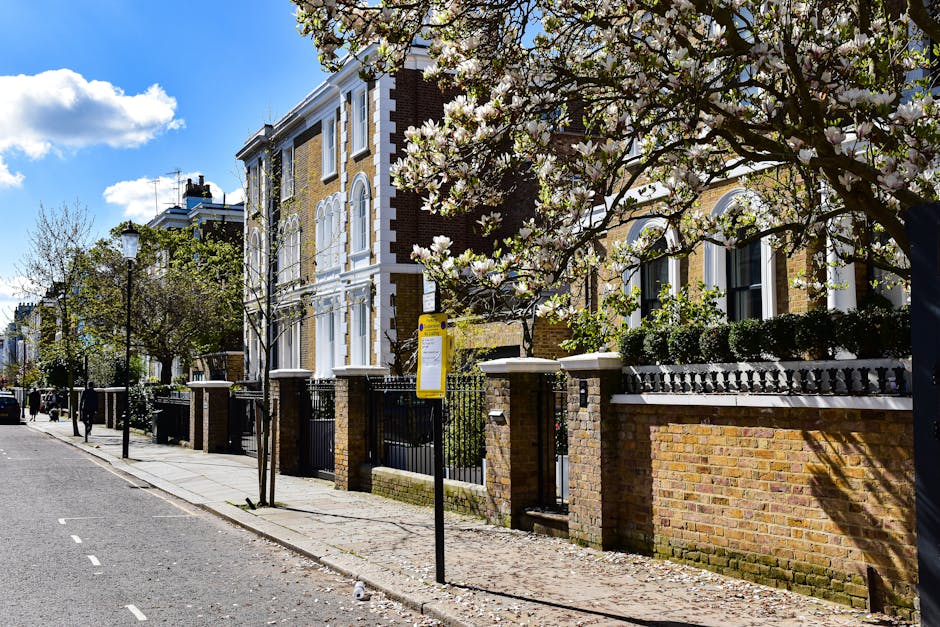
Removals near Highbury Fields for narrow access homes
Posted on 02/05/2026
Removals near Highbury Fields for narrow access homes: a practical guide for moving safely, smoothly, and without stress
If you're planning Removals near Highbury Fields for narrow access homes, you already know the challenge is not just the move itself. It's the stairwell that seems to bend at the worst angle, the doorway that looks a touch too tight, the resident parking that needs a bit of thinking ahead, and the general London reality of "fine, but how exactly is the sofa getting out?"
That's where the right approach matters. Narrow access moves are not impossible, not even close, but they do need better planning than a standard house move. In this guide, we'll break down what makes these moves different, how professionals handle them, what to expect on the day, and how to avoid the usual headaches. We'll also cover equipment, packing, compliance, and practical decision-making so you can feel properly prepared. If you're comparing removal companies in Highbury or just trying to understand whether a man with a van in Highbury is enough for your property, this should help.
Truth be told, narrow access homes near Highbury Fields often need a more careful, more creative move than people expect. The good news? With the right team and a sensible plan, even awkward access can be handled without drama.

Why Removals near Highbury Fields for narrow access homes Matters
Highbury Fields is a lovely part of North London, but its housing stock can be a bit of a mixed bag. You'll find period conversions, maisonettes, basement flats, upper-floor walk-ups, and homes with hallways, stairs, or front paths that were never designed with modern furniture in mind. That matters because access shapes almost every part of a move: vehicle choice, team size, packing method, timing, and whether bulky items can be removed intact.
Narrow access homes create a specific kind of moving pressure. The risk isn't just inconvenience. It's scratches on walls, scuffed banisters, damaged furniture, and delays that throw the whole day off balance. A standard move can often be handled with a large van and a straightforward loading pattern. Narrow access? Not so simple.
To be fair, this is exactly where experience pays off. A good mover will look at the property and immediately think through angles, turning space, carrying distances, parking restrictions, and whether a smaller vehicle or shuttle approach makes more sense. That's why services such as flat removals in Highbury and house removals in Highbury are often better starting points than a generic moving quote.
And yes, the local environment matters too. Around Highbury Fields, small streets, controlled parking zones, and busy residential access can add real friction if they're not accounted for early. A move that looks simple on paper can become awkward very quickly if nobody checks the route, lift availability, or the width of the communal hallway.
How Removals near Highbury Fields for narrow access homes Works
Narrow access removals are usually planned in stages. The goal is to reduce risk by matching the move plan to the property rather than forcing the property to fit the plan. That sounds obvious, but it's where many problems start.
First comes the survey. This might be a video survey, a phone assessment with photos, or an in-person visit. The mover needs to know what's being moved, how heavy it is, how fragile it is, and whether there are access constraints like steep stairs, tight corners, narrow front doors, low ceilings, or shared entrances. A decent survey saves time later. Lots of time, actually.
Then comes vehicle planning. For some narrow access homes, a large removal van is fine for the main journey, but items may need to be carried from the property to the vehicle in smaller loads. In other cases, a removal van in Highbury may be chosen specifically because it's easier to position nearby, or because it fits local road conditions better.
Next is the packing plan. This is where the detail shows. Furniture may need to be dismantled, mattresses protected, wardrobes emptied, and awkward items wrapped in layered protection. If there's a piano, for example, the move plan should shift again entirely; specialist handling through piano removals in Highbury is the safer route.
On the day, the crew will usually do a final access check before loading. Sometimes the plan changes slightly because of parking, weather, neighbours, or a stairwell that looks narrower in real life than it did in the photos. That happens. The best teams adapt without making a song and dance of it.
For readers who want a broader view of the services landscape, the services overview is a useful place to see how the moving options fit together. And if you're moving on short notice, same-day removals in Highbury can be relevant, though narrow access jobs still benefit from proper planning even when time is tight.
Key Benefits and Practical Advantages
The main benefit of choosing a mover that understands narrow access is simple: fewer surprises. But there are several practical advantages worth spelling out.
- Less risk of damage to furniture, walls, and common areas.
- Smarter vehicle selection based on local streets and access conditions.
- Better time planning, especially where parking or loading space is limited.
- More suitable packing methods for awkward, oversized, or fragile items.
- Reduced physical strain because items are moved in a controlled way, not rushed.
- Clearer expectations for anyone moving from a flat, maisonette, or converted period home.
There's also a less obvious benefit: emotional calm. Narrow access homes can make people feel trapped in the logistics, like everything is harder than it should be. A competent crew cuts through that feeling. You can almost feel the tension drop when the first load comes out cleanly and the route works exactly as planned.
If you're weighing up different types of support, services like man and van in Highbury or man and a van in Highbury can be useful for smaller moves, while larger or more complex access jobs often need a fuller moving team. Sometimes that difference matters more than people expect.
Who This Is For and When It Makes Sense
This kind of move is a strong fit for anyone living in, or moving into, a property with limited access around Highbury Fields. That usually includes:
- Top-floor flats with narrow staircases
- Basement flats with tight internal turns
- Converted Victorian or Edwardian homes
- Maisonettes with shared entrances
- Homes on streets where parking is difficult or highly restricted
- People moving large furniture through awkward corridors or small door frames
It also makes sense for renters and owners who have time pressure. Maybe the tenancy overlap is short. Maybe completion day has shifted. Maybe you've got a bed, wardrobe, and dining table that all need to come out of a narrow first-floor landing without annoying half the street. That's a proper narrow access move.
Students moving into compact properties can run into the same problem. If that's your situation, student removals in Highbury can be a practical option, especially when your move is light but the access is fiddly.
And if the move is part of a property transition, it's worth thinking beyond the removals themselves. Timing, handover, and packing all interact. Readers dealing with a purchase or sale may also find the articles on Highbury property transaction advice and Highbury property buying strategies helpful, because the practical move often starts before moving day even exists.
Step-by-Step Guidance
Here's a simple way to handle a narrow access move without overcomplicating it.
- Measure the access properly. Check the width of doors, hallways, stair turns, and any lift if one exists. Don't guess. Guessing is the enemy here.
- List every bulky item. Sofas, wardrobes, beds, appliances, desks, mirrors, bikes, and anything fragile or oddly shaped should be noted early.
- Photograph the route. A few clear pictures of entrances, corridors, stairwells, and parking spots can help the mover spot problems before moving day.
- Choose the right service level. A smaller job might suit a man with a van in Highbury, while a bigger or more complex property may need a broader removal services package.
- Confirm packing and dismantling support. Ask whether beds, tables, and wardrobes can be taken apart and rebuilt.
- Sort parking and access permissions. If your road needs permits or there are time restrictions, check in advance with the relevant local authority guidance.
- Protect the property. Floor runners, blankets, and corner protection can prevent little accidents that become big annoyances.
- Keep essentials separate. Kettle, chargers, keys, documents, toiletries, and a change of clothes should not disappear into the moving van.
- Review the plan on the day. A good team will adapt if the street is busier than expected or access has changed since the survey.
A small but important tip: if the front door opens inward and the hallway is tight, keep it open during the load-out only if it doesn't create a security issue. That sounds minor, but it can save a surprising amount of shoulder-jockeying with boxes.
Expert Tips for Better Results
Experience shows that narrow access moves go best when you do less, not more. Less last-minute sorting. Less overpacking. Less optimism about whether a huge wardrobe will "probably fit".
1. Break down furniture earlier than you think. If an item can be dismantled safely, do it before moving day. Beds, shelving units, and some dining tables move far more easily in parts. You'll also reduce the chance of scraping paintwork at the worst possible moment.
2. Keep fragile items clearly separated. A box labelled "glass" is useful, yes, but even better is grouping fragile items by room and packing them so they can be loaded last and unloaded first. The crew can then place them somewhere safe without a guessing game.
3. Think about the staircase, not just the doorway. People often obsess over the front door and then forget the turn at the top of the stairs is the real challenge. Corner angles matter. A lot.
4. Use temporary storage if timing is messy. If completion dates, access windows, or keys are not lining up neatly, storage in Highbury can take the pressure off. It's not glamorous, but it can be the difference between calm and chaos.
5. Ask about insurance and handling standards. You want to know how items are protected, what cover is in place, and what the process is if something unexpected happens. The page on insurance and safety is a sensible reference point for that sort of reassurance.
6. Don't leave waste and surplus packing until the end. Boxes, wrap, and old furniture offcuts can clog tight hallways fast. A cleaner route is a safer route. Simple, but often forgotten.
And one more: if you have a very awkward item, don't assume brute force is the answer. It usually isn't. More hands, better angles, and slower movement often win. Boring, perhaps. Effective, definitely.

Common Mistakes to Avoid
Most moving problems in narrow access homes are preventable. That's the frustrating part, really.
- Underestimating measurements. "It should fit" is not a moving strategy.
- Failing to tell the mover about stairs or basement access. If they discover it on arrival, the whole plan may need to change.
- Leaving packing to the last minute. Rushed boxes are heavier, weaker, and harder to handle.
- Not reserving parking or access space. A van stuck half a street away can add unnecessary time and stress.
- Choosing the wrong service for the job. Cheap is not always economical if it creates delays or damage.
- Overfilling boxes. Especially dangerous on stairs. A heavy box on a tight landing is nobody's friend.
- Ignoring wet weather. London rain and narrow hallways are a sloppy combination. Plan for muddy shoes, damp floors, and extra wiping down.
Practical takeaway: the more limited the access, the more important it is to plan the move around the property rather than around the clock.
One small reality check: if you're moving from a compact Highbury flat on a Friday evening after work, and the only route is up two flights of stairs with a sharp turn, that is not the moment to discover your sofa needs dismantling. A little early planning saves a lot of muttering. We've all been there.
Tools, Resources and Recommendations
The right tools make narrow access moves safer and more efficient. You don't need a warehouse of kit, but a few things matter a great deal.
- Furniture blankets and covers for protecting wood, upholstery, and corners
- Heavy-duty tape and labels for clear packing and quick room sorting
- Mattress covers to keep bedding clean during stair carries
- Straps and trolleys for safer handling where space allows
- Wardrobe boxes for hanging clothes when space is limited
- Floor protection for hallways, landings, and shared entrances
It also helps to use a mover with strong local knowledge. Someone who regularly works in Highbury is far more likely to understand the little details that matter: the awkward side street, the time restrictions, the parking pinch points, the building manager who wants notice, the communal door that sticks a bit. Those details aren't glamorous, but they can make the day.
If you're still comparing options, the article on removals in Highbury is a useful starting point, while furniture removals in Highbury is especially relevant if your biggest concern is getting large items out safely. For people who want a broad view of the local area before moving, these reads can also help: Highbury living experience insights from locals and Highbury as a quaint retreat from the bustle of London life.
Law, Compliance, Standards, or Best Practice
For most household moves, there is no single special law that only applies to narrow access homes. But there are still important standards and best practices worth respecting.
First, there's safety. Movers should follow sensible manual-handling practice, use suitable equipment, and avoid forcing heavy items through spaces where they clearly do not fit. That protects people and property. It's basic, but it matters.
Second, there's insurance. Before booking, it is wise to understand what cover the removal company provides and what exclusions may apply. That way, if something unexpected happens, you're not left guessing about the process. The company's health and safety policy and insurance and safety information should be easy to review and understand.
Third, there's property access and parking compliance. In parts of Highbury, local parking controls, loading restrictions, or building access rules may apply. It's usually the customer's job to check local permissions if needed, while the mover should tell you what access information they require. A quick call to the building manager or a look at local council guidance can prevent a lot of friction.
Finally, there's fairness and transparency. If you're comparing quotes, make sure you know what's included, what counts as extra time, and whether dismantling, waiting, or long carries are charged differently. The page on pricing and quotes is a useful place to understand how estimates are typically structured.
That's the sensible standard here: clear communication, safe handling, transparent pricing, and realistic planning. Nothing flashy. Just solid practice.
Options, Methods, or Comparison Table
Not every narrow access move needs the same setup. Here's a straightforward comparison of common approaches.
| Method | Best for | Strengths | Limitations |
|---|---|---|---|
| Man with a van | Smaller loads, quick local moves, light furniture | Flexible, often cost-effective, good for short journeys | May be less suitable for large properties or many bulky items |
| Dedicated removal van with crew | Medium-sized household moves with awkward access | More hands, better protection, better for careful loading | Usually costs more than a basic van hire style service |
| Full house removals service | Large moves, multiple floors, fragile or heavy items | Most comprehensive support, usually includes planning help | May be more than you need for a very small move |
| Storage-first approach | Delayed completion, staged moving, uncertain access | Reduces pressure and allows flexible timing | Adds an extra step and extra cost |
If your property is especially tight, a smaller but well-organised crew can outperform a bigger vehicle that can't actually get close to the door. That's why the choice isn't just about van size. It's about access, handling, and timing as a package.
Case Study or Real-World Example
Here's a realistic example of how a narrow access move near Highbury Fields might go.
A couple moving out of a first-floor flat had a large sofa, a king-size bed, a dining table, and a few awkward storage units. The staircase turned sharply at the half landing, and the front entrance sat just off a narrow pavement with limited parking nearby. On paper, it looked manageable. In reality, it needed care.
The mover requested photos in advance, checked the hallway width, and suggested dismantling the bed frame before moving day. They also recommended booking a smaller vehicle for better road positioning and a second crew member to help with carrying. The sofa was wrapped in blankets, the table legs were removed, and boxes were kept light enough to handle on stairs.
On the day, the team arrived early enough to assess parking and confirm the loading route. One thing changed unexpectedly: a neighbour's car was parked a little too close for the planned access angle. Rather than forcing it, the crew adjusted the route and carried items in shorter, safer runs. Slightly slower, yes. But everything came out intact, and nobody ended the day with a cracked picture frame or a dented banister.
That is the real lesson. Narrow access removals near Highbury Fields are rarely about speed alone. They're about making the move feel controlled. Once the first couple of items are out cleanly, the rest tends to follow more easily.
Practical Checklist
Use this before moving day. It keeps the process tidy, which sounds dull, but honestly it helps.
- Measure doors, hallways, stairs, and any lift access
- Take photos of the property entrance and internal route
- List all bulky, fragile, or unusually shaped items
- Confirm parking arrangements and access permissions
- Ask whether dismantling and reassembly are included
- Book the right-sized vehicle for the access conditions
- Pack heavy items into smaller boxes
- Label boxes by room and priority
- Keep essentials with you, not in the van
- Review insurance, terms, and service details in advance
- Protect floors, banisters, and corners where possible
- Have a backup plan for delays or storage if dates change
If your move is more complex than it first appears, it can help to speak with experienced local movers rather than trying to piece together the logistics yourself. The page on about us gives a little more background on the business side too, which can be reassuring when you want to know who you're dealing with.
Get a free quote today and see how much you can save.
Conclusion
Removals near Highbury Fields for narrow access homes are perfectly manageable when they're planned around the building, the street, and the items being moved. That's the whole game, really. Measure properly, pack sensibly, choose the right service level, and don't pretend a tricky staircase is the same as a wide-open suburban driveway.
With the right preparation, your move can be calm, efficient, and far less stressful than you might fear at the start. And if you're still at the comparison stage, it's worth looking at the wider moving support available, including removal companies in Highbury, packing and boxes in Highbury, and storage in Highbury if your dates need a bit of breathing room.
Most of all, remember this: awkward access is a planning problem, not a disaster. Once the route is understood, the rest becomes much more manageable. One careful step at a time.
And when the last box is down and the old place is empty, there's always that small, quiet moment of relief. It's a good feeling.