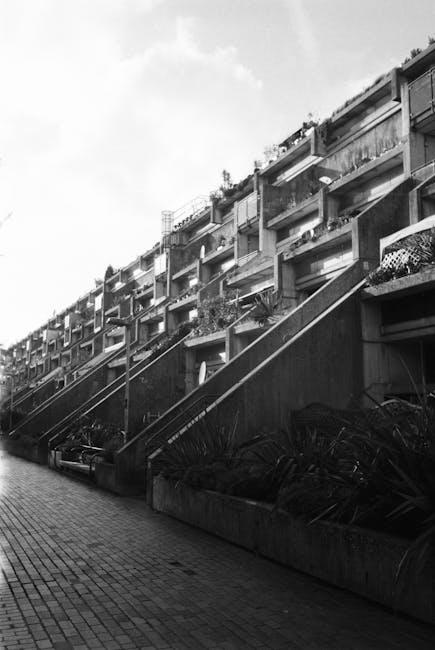
Moving flats on Avenell Road Highbury with stairs challenges
Posted on 10/05/2026
Moving flats on Avenell Road Highbury with stairs challenges can feel like a very specific headache, but in a busy part of North London, it is a familiar one. Narrow stairwells, awkward turns, shared entrances, and the usual pressure of moving day can turn a simple flat move into a bit of a puzzle. The good news? With the right preparation, a sensible plan, and a removal team that understands local access issues, the whole thing becomes much more manageable.
This guide breaks down what makes stair-heavy flat moves tricky on Avenell Road, how to plan around them, and which practical decisions make the biggest difference. Whether you are leaving a top-floor flat, moving into a maisonette, or helping a tenant shift out quickly, you will find clear advice here that is useful in the real world, not just in theory.
For broader local help, you may also want to look at flat removals in Highbury, removals in Highbury, and removals near Highbury Fields for narrow access homes, especially if your staircase is tight, steep, or just plain awkward.
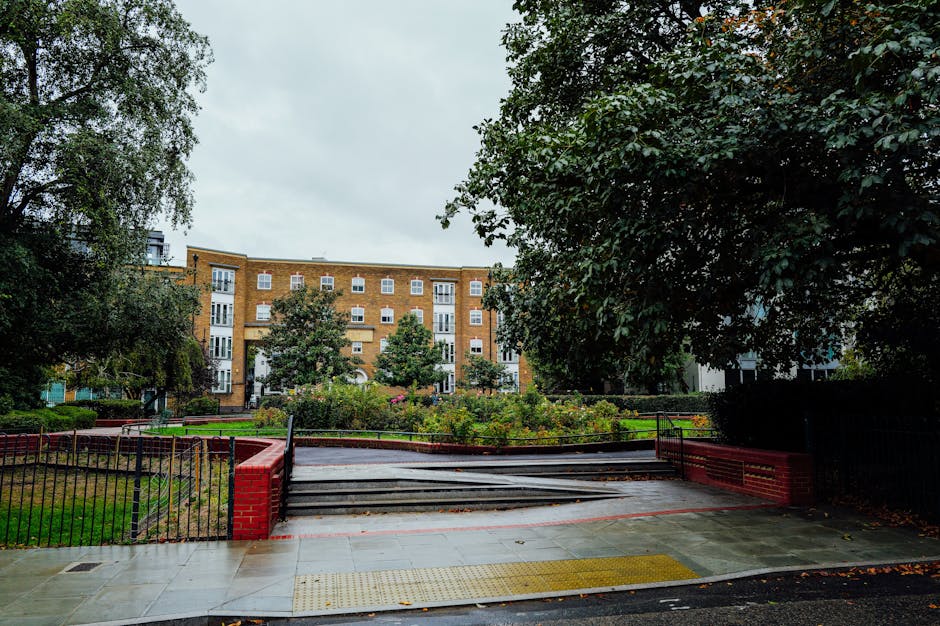
Why Moving flats on Avenell Road Highbury with stairs challenges Matters
Stairs change everything. That sounds obvious, but people only really feel it on moving day, when a sofa will not quite clear the banister, a mattress bends in the wrong direction, or a wardrobe seems to have grown extra inches overnight. In a place like Avenell Road, where flats can be tucked into period conversions and older-style buildings, access is often the deciding factor between a smooth move and a very long afternoon.
The issue is not only physical effort. Stairs affect timing, staffing, vehicle choice, packing method, and even whether your move needs specialist handling. A move that might seem straightforward on paper can require extra planning once you factor in steep staircases, limited landing space, and the reality of carrying heavy items safely through shared hallways.
This matters because poor planning usually costs more than people expect. Not always in money alone, either. It can cost time, energy, goodwill with neighbours, and sometimes the condition of your furniture. To be fair, most stair-related problems are avoidable if you spot them early enough.
It also matters locally because Highbury has its own housing character. Many flats are attractive precisely because they are older, characterful, and close to everything. Lovely. But the same features that make the area appealing can create awkward removal conditions. If you are also getting to know the area, these local living insights from Highbury residents give a useful sense of the neighbourhood rhythm, while this guide to Highbury as a quieter London retreat helps explain why so many people choose to move here in the first place.
How Moving flats on Avenell Road Highbury with stairs challenges Works
In practical terms, a stair-challenged flat move works best when it is treated as an access job first and a transport job second. That means the route matters just as much as the van, and the layout of the building matters just as much as the volume of boxes.
Here is the basic flow most successful moves follow:
- Assess the property access - check the number of flights, width of stairs, corner turns, handrails, and any narrow or uneven points.
- Identify bulky items - sofas, beds, wardrobes, desks, white goods, and anything fragile or unusually shaped.
- Choose the right moving method - full removal service, man and van support, or a smaller vehicle depending on access and volume.
- Pack with stair movement in mind - lighter boxes for upstairs, labels on multiple sides, and strong wrapping for items that may rub against walls.
- Clear the route - remove floor clutter, door stops, loose mats, and anything that could trip someone carrying weight.
- Load in a sensible sequence - items needed first should be easy to reach on arrival, not buried under six layers of tape and optimism.
What tends to catch people out is the fact that stair moves are slower, even when everyone is doing a good job. One awkward item can slow an entire queue of boxes. That is why movers often work differently in stair-heavy flats: smaller loads, more careful handling, and better communication between the person carrying and the person guiding from below or above.
For a closer look at service options, the man and van service in Highbury is often useful for lighter moves, while house removals in Highbury or broader removal services can make more sense when you have a larger property or heavier furniture. If the job involves several awkward pieces, furniture removals in Highbury may be the most relevant starting point.
Key Benefits and Practical Advantages
Hiring help for a stair-based flat move is not just about avoiding effort. Done properly, it improves the quality of the whole move. A few of the clearest benefits are below.
- Less risk of damage to walls, bannisters, flooring, and furniture.
- Safer handling of heavy or unwieldy items on steep or narrow stairs.
- Better time control because experienced movers work more efficiently around access constraints.
- Less stress for you, your neighbours, and anyone else helping on the day.
- More realistic planning for lifting points, parking, and the order in which items leave the property.
There is also a less obvious advantage: better decision-making. Once you have a team that understands stair challenges, you are more likely to get honest guidance on what should be dismantled, what can stay assembled, and what might be wiser to store or move separately. That can save you from the classic moving-day mistake of trying to force one oversized item through a staircase that has already said no.
If you are comparing providers, it is worth reading up on removal companies in Highbury and checking practical details like pricing and quotes before you commit. A good quote should reflect access, not just box count.
Who This Is For and When It Makes Sense
This kind of move is for anyone dealing with stairs, but the need becomes especially clear in a few common situations.
- Tenants in upper-floor flats who need to move quickly and keep the building tidy.
- Homeowners in converted properties with tight staircases or split-level layouts.
- Students and young professionals moving in or out with mostly boxes and a few larger items.
- Couples or families with furniture that needs careful carrying and maybe dismantling first.
- Anyone relocating on a deadline where access delays could become a real problem.
It makes sense whenever the stairs are likely to slow things down enough that a simple lift-and-go approach would be risky. If your sofa barely clears the stairwell on a test run, or if you already know the stairwell is shared and tight, that is a strong sign to plan professionally. Truth be told, the earlier you accept the access challenge, the easier everything gets.
For smaller or faster jobs, a man with a van in Highbury can be a sensible fit. For student moves specifically, student removals in Highbury are often designed around compact loads, quick turnaround, and a lot of stairs.
Step-by-Step Guidance
Here is the clearest way to approach a stair-heavy flat move without losing your mind halfway through packing the kitchen.
1. Measure the awkward bits
Do not guess. Measure stair width, landing depth, door frames, and the tallest or narrowest turn points. If you have a large wardrobe or a bed frame, compare those measurements before moving day. This is one of those boring tasks that prevents major drama later.
2. Walk the route with your largest items in mind
Stand at the bottom of the stairs and imagine carrying your biggest piece of furniture up or down. If a turn looks tight to your eye, it will probably feel tighter with weight in your hands. A quick visual check can reveal whether furniture should be dismantled, rotated, or handled in parts.
3. Decide what needs dismantling
Flat-pack items, bed frames, shelving, and some dining tables often move more safely when broken down. Keep screws, bolts, and small fittings in labelled bags. Put each bag in a box you will definitely see again, because apparently tiny bits of metal enjoy disappearing at the worst possible moment.
4. Pack lighter than you think
Stairs make heavy boxes feel even heavier. Books, glassware, and kitchen items should be spread across several smaller boxes rather than overstuffed into one stubborn one. A lighter box is not a sign of laziness. It is a sign you have met gravity and taken the hint.
5. Protect the stair route
Use blankets, floor coverings, or protective wrap where needed. In shared buildings, this matters for both safety and goodwill. Nobody wants scuffed paintwork or muddy footprints after a move, especially in a place where neighbours pass each other in the stairwell every day.
6. Load in the right order
Think about what you will need first when you arrive. Essentials boxes should be easy to reach, and the largest items should be loaded so they can be unloaded without unpacking half the van. If you are heading into temporary storage, storage in Highbury can help when the timing between moves does not quite line up.
7. Keep communication simple on moving day
One person should guide the team if the staircase is narrow. Simple calls like "pause," "tilt left," or "hold for a second" are far more useful than everyone speaking at once. That sounds basic, but it really does save collisions and confusion.
Expert Tips for Better Results
A few small decisions can make a stair-heavy move much easier. These are the ones experienced teams tend to care about, because they save time and reduce hassle.
- Book an access check early if the property has a difficult staircase or limited parking.
- Use smaller boxes for dense items such as books, tools, and pantry goods.
- Wrap corners and edges on furniture, not just the full item.
- Keep hallways clear so movers are not squeezing between shoes, plants, and parcel boxes.
- Plan for extra time rather than expecting the move to behave like a ground-floor job.
- Separate fragile items from general boxes so they can be handled more carefully.
If your move involves specialist items, the planning becomes even more important. For example, a piano, large mirrors, or heavy media units deserve extra attention. In those cases, it may be worth looking at piano removals in Highbury or related specialist handling options rather than assuming a standard carry will do the trick.
One practical tip that often gets overlooked: photograph the staircase, the front entrance, and any tricky corners before the move. Not because the photos are glamorous. They are not. But they help with planning, quoting, and avoiding that awkward "oh, it looked bigger online" moment.
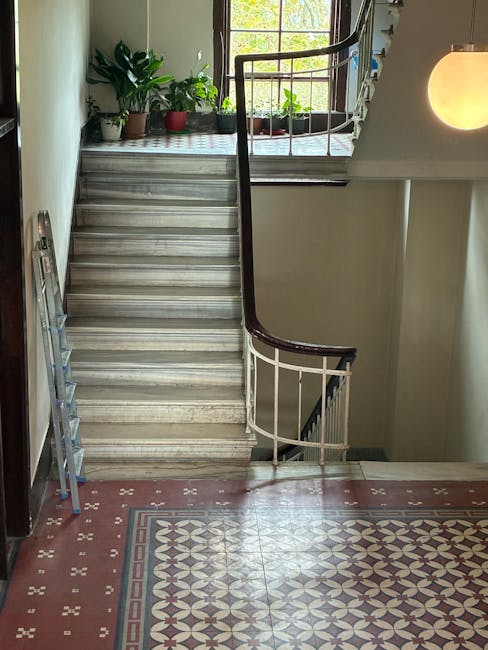
Common Mistakes to Avoid
Stair-based moves tend to fail in predictable ways. The good news is that they are predictable, so they are also avoidable.
- Underestimating the time required for carrying items up and down stairs.
- Using boxes that are too heavy, especially for books or kitchenware.
- Forgetting to measure furniture against the staircase and landings.
- Not dismantling items in advance when clearly needed.
- Leaving parking too late and creating a long carry from van to front door.
- Ignoring shared-space etiquette in buildings with neighbours and narrow communal access.
Another common issue is trying to save money by choosing the wrong type of service. A very small job may suit a compact van, but if you have several heavy items and a top-floor flat, a slightly more capable setup is often the better value. It is not about buying the biggest option. It is about matching the service to the staircase and the load.
And yes, the temptation to "just wing it" is real. We have all done it. Usually once.
Tools, Resources and Recommendations
Having the right tools does not make stairs disappear, but it does make the job safer and less stressful. A professional removal setup may include trolleys, straps, blankets, gloves, protective covers, and sometimes dismantling tools for furniture.
For customers planning their move, these resources are especially useful:
- Packing and boxes in Highbury for stronger packing and better box choices.
- Removal van options in Highbury if vehicle size and access matter.
- Man and a van in Highbury for flexible, lighter moving support.
- Man with a van in Highbury if you need a straightforward local move with practical help.
- Services overview to compare removal options in one place.
If you are new to choosing a provider, it helps to read the company's trust and support pages too. The about us, insurance and safety, and health and safety policy pages give a better feel for how seriously a mover takes risk, planning, and site safety. That sort of detail matters more than people think.
For a wider view of ethics and service standards, recycling and sustainability can be helpful too, especially if your move will create unwanted packaging or items for disposal.
Law, Compliance, Standards, or Best Practice
For a home move, the main compliance issues are usually practical rather than legal drama. Still, there are a few expectations worth keeping in mind.
First, manual handling should be done carefully. In the UK, removal work follows general workplace health and safety expectations, so teams should use sensible lifting methods, avoid unnecessary strain, and reduce foreseeable risks where possible. That is particularly relevant on stairs, where the chance of slips, twists, or dropped items is naturally higher.
Second, shared buildings deserve respect. If you live in a block or conversion, try to keep corridors clear, protect common surfaces where needed, and avoid blocking access for neighbours. A little courtesy goes a long way. Honestly, it saves more stress than any packing hack.
Third, insurance and terms matter. Before moving day, it is sensible to understand what is covered, what is excluded, and how claims or complaints would be handled. A trustworthy company should make this information easy to find. You can review terms and conditions, complaints procedure, and payment and security details so there are no surprises later.
If accessibility is a concern, whether for yourself, a family member, or a property layout, it is worth checking the company's stance on inclusion and service access via the accessibility statement. Small detail, but useful.
Options, Methods, or Comparison Table
There is no single best moving method for every stair-based flat. The right choice depends on the volume of items, the shape of the staircase, and how much help you want on the day.
| Moving option | Best for | Advantages | Watch-outs |
|---|---|---|---|
| Man and van | Smaller flat moves, lighter loads, flexible timing | Simple, local, cost-efficient for compact jobs | May be less suitable for lots of heavy furniture or complex access |
| Full flat removal service | Heavier moves, multiple rooms, difficult stairs | More support, better handling of awkward items | Usually needs more planning and a fuller quote |
| Self-move with hired transport | Very small loads and people with time to spare | Maximum control over packing and pace | Highest physical effort and more risk on stairs |
| Storage plus staged move | Delays between move-out and move-in | Reduces pressure when dates do not align | Requires extra coordination and storage cost |
In many stair-heavy flat moves, a hybrid approach works best. For example, use a removals team for the heavy furniture and take personal boxes separately if that makes sense. Or store a few bulky items while settling into the new place. Not every move has to happen in one heroic day.
Case Study or Real-World Example
Here is a realistic example, based on the sort of move that comes up often in Highbury.
A couple living on an upper floor off Avenell Road had a bed frame, a sofa, two bookcases, and several boxes of kitchenware. The staircase was narrow, with a tight turn on the second landing and limited waiting space near the front door. At first, they assumed two people and a van would be enough.
Once they measured the larger items, the plan changed. The bed frame was dismantled. The bookcases were emptied and wrapped flat. Boxes were repacked so none of them became "that one box" everyone avoids because it weighs like a small car. Parking was arranged close to the property, and the move was scheduled early to avoid a busier stretch of the day.
The difference was not magic. It was preparation.
Because the route had been checked in advance, the movers knew which pieces needed two-person handling and which could be carried singly. No walls were scraped, no box was dropped, and the move finished without the usual stairwell panic that sometimes creeps in around hour three. A pretty ordinary success, really, but that is the point. The best moves are the ones that feel uneventful.
That same logic often applies to local property moves too. If you are still comparing neighbourhoods or timing your move around a purchase, the articles on Highbury property transaction advice and Highbury property buying strategies can be useful background reading.
Practical Checklist
Use this before moving day. It is simple, but it catches most of the common problems.
- Measure the staircase, landings, and door frames.
- Check parking and walking distance from the vehicle to the flat.
- Identify all bulky, fragile, and awkward items.
- Dismantle furniture where needed and keep fixings together.
- Pack heavy items into small boxes.
- Label boxes clearly, including fragile items.
- Protect floors, banisters, and corners if required.
- Confirm arrival times and access arrangements with your mover.
- Keep essentials separate for the first night.
- Review insurance, payment, and service terms before the move.
Expert summary: if a staircase is tight, treat the move like a logistics job, not a lifting contest. Measure first, pack lighter, dismantle more, and choose a removal method that respects the building rather than fighting it. That is usually the difference between a rushed move and a controlled one.
Conclusion
Moving flats on Avenell Road Highbury with stairs challenges does not have to be stressful. The staircase may be awkward, the corners may be tight, and the building may not make life easy, but none of that means the move will be chaotic. With careful preparation, the right packing approach, and a removal team that understands access issues, you can keep the day steady and manageable.
The key is to plan for the stairs before they plan for you. Once you do that, the job becomes much more predictable, and honestly, a lot less tiring. If you are moving in or out of a Highbury flat with limited access, getting support early is usually the smartest move you can make.
Get a free quote today and see how much you can save.
And when the boxes are finally in the right rooms, there is a small, quiet satisfaction in that first cup of tea. A proper one. The move may have been a bit of a slog, but you got there.